The first state collection of Art and Climate is born
- Through works by Spanish and international artists, the collection will offer an exploration of key aspects of contemporary artistic creation related to the environmental crisis.
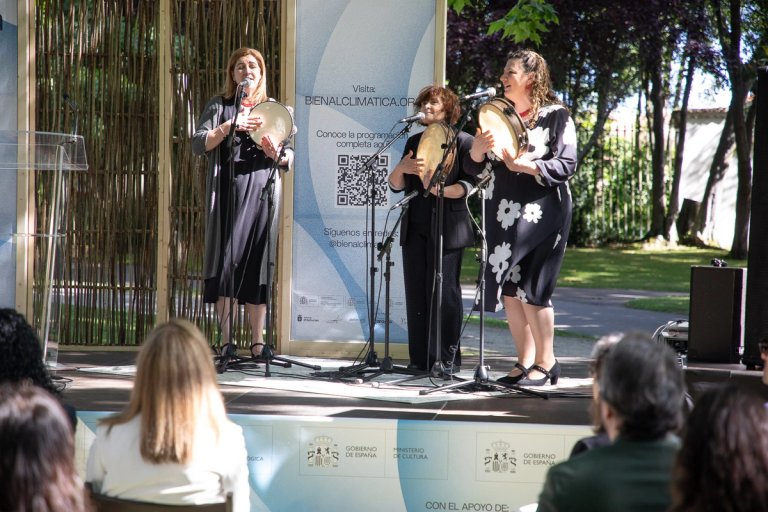
- The Climate Biennial is a biennial gathering that aims to use culture and art to foster reflection, debate, and action in fair climate transition processes.
- This is the first art and climate biennial designed in Spain, born from the alliance between the Ministry of Culture, MITECO, the Ministry of Housing and Urban Agenda (MIVAU), the Principality of Asturias, the City Council of Avilés, and the Atelier itd Foundation.
The Ministry for the Ecological Transition and the Demographic Challenge (MITECO) and the Ministry of Culture have agreed to allocate part of the 2% cultural funds to acquiring artworks at ARCOmadrid 2025, thus launching the first state collection of Art and Climate. This collection will be exhibited for the first time at the Climate Biennial, which will take place in Avilés and other locations in Asturias between May and September 2026.
Through works by Spanish and international artists, the collection will provide an overview of fundamental aspects of contemporary artistic creation linked to the environmental crisis. This body of work will offer insights into today's world within the context of the ongoing eco-social transition.
This initiative aims to establish a lasting legacy that contributes to shaping a critical memory of environmental art over the past 50 years—starting from the 1970s oil crisis—and beyond. The collection aligns with Spain’s geographic position in Southern Europe, a cultural and climatic context that shapes its identity and capacity for innovation in climate-related thought and action.
The 2% Cultural program, the main tool of the Spanish central government for ensuring the conservation of the country's historical, cultural, and artistic heritage while promoting artistic creativity, is now extending its support to the most contemporary artistic creation. To approve and oversee the initiatives included in this program, MITECO signed an agreement with the Ministry of Culture in 2021 to establish a Joint Commission. Since then, both ministries have jointly reviewed and approved all projects eligible for funding through these resources.
After its exhibition at the Climate Biennial, this state collection of Art and Climate will become part of the collections of "La Fábrica de la Luz. Museo de la Energía". This museum is managed by the Ciudad de la Energía Foundation, which operates under MITECO and oversees two major cultural venues in Ponferrada: the aforementioned museum and La Térmica Cultural, a new cultural and leisure space located in the former facilities of the Compostilla I thermal power plant. Additionally, the foundation promotes cultural projects and activities in Just Transition areas, including initiatives of great interest to the sector, such as Dinamiz-ARTj, a program led by the Institute for Just Transition—managed through CIUDEN—that aims to revitalize cultural activities in these regions and attract visitors, enhancing local tourism. Another notable initiative is La Recicladora Cultural, an innovative project in Spain that reimagines exhibitions, giving them a new life.
For the pre-selection of the artworks to be acquired, the Commission has appointed a group of experts, including Amelie Aranguren, director of Paisanaje; Blanca de la Torre, independent art curator; Alfredo Puente, curator at the Antonino and Cintia Cerezales Foundation; Aurora Carmenate, independent art curator; and Amanda Masha Caminals, Artistic Director of the Climate Biennial.
SELECTED WORKS
The 2% Cultural Commission will acquire a selection of 7 works by 7 artists that will be part of the first edition of the Climate Biennial: Irene Grau, Sobre A punto de ser nada, Jorge Yeregui, La escritura de las piedras, Laura Palau, Flexió Xilema, Sonia Navarro, ST (Esparto), Asunción Molinos Gordo, Mil leches, Belén Rodríguez, I danced myself out of the womb [Salí bailando del útero], and Abelardo Gil-Fournier, Hacendera.
The total value of the acquisitions amounts to €188,000.
%2C%202020_Coleccio%CC%81n%20Estatal%20Arte%20y%20Clima%20%C2%A9%20MITECO.webp?w=810&q=85&fit=max&auto=format)
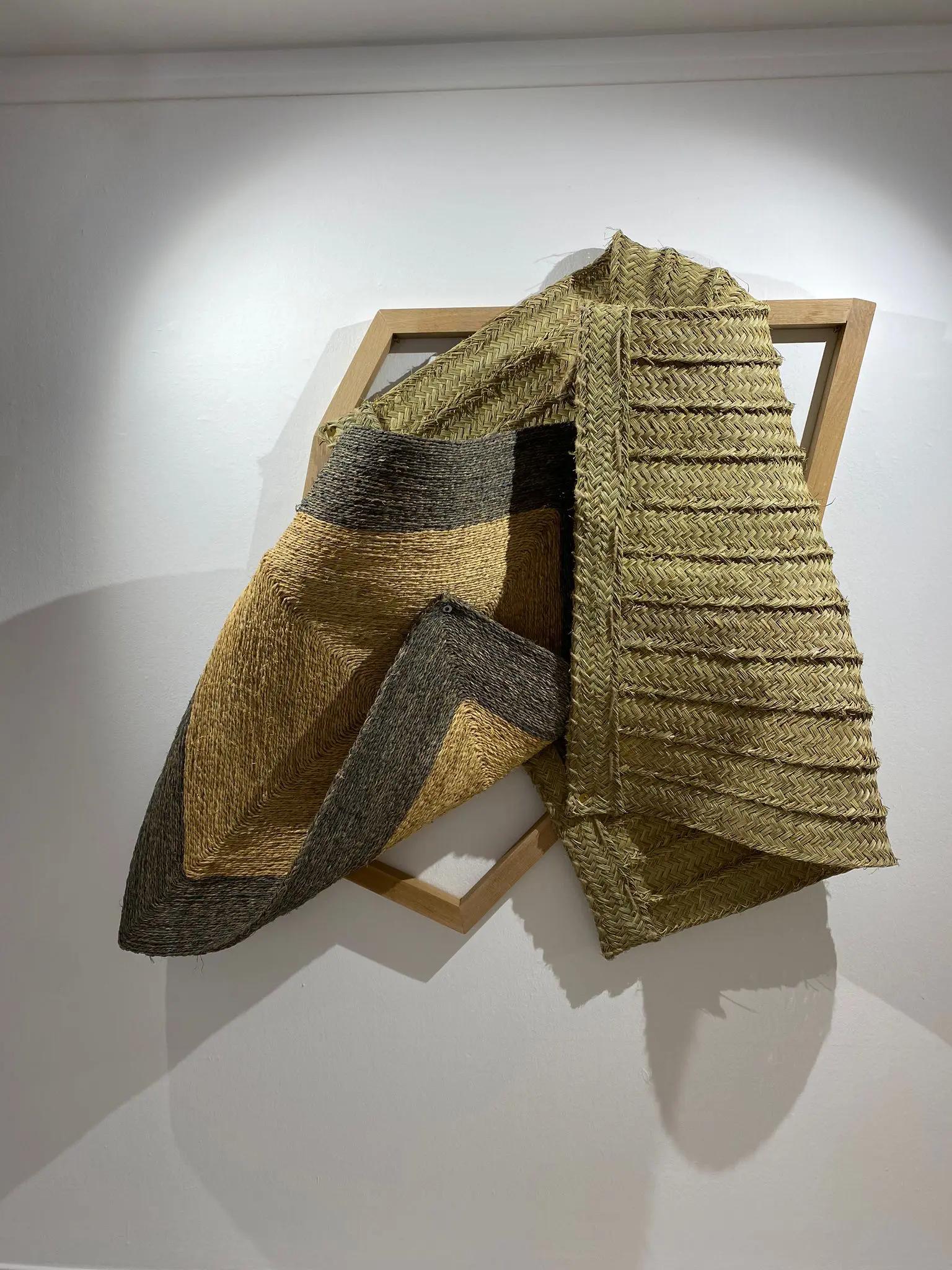
Sonia Navarro, ST (Esparto), 2020_Colección Estatal Arte y Clima © MITECO
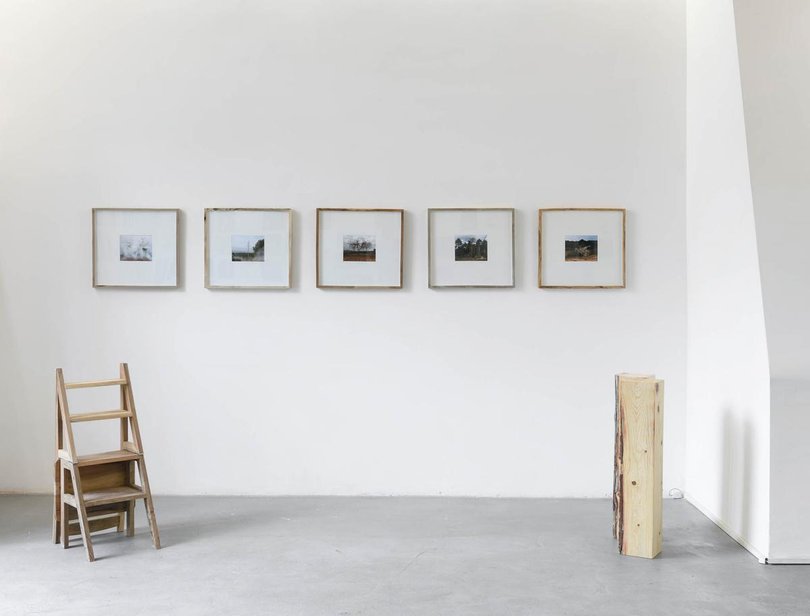
Laura Palau, Flexió Xilema, 2024_Colección Estatal Arte y Clima © MITECO
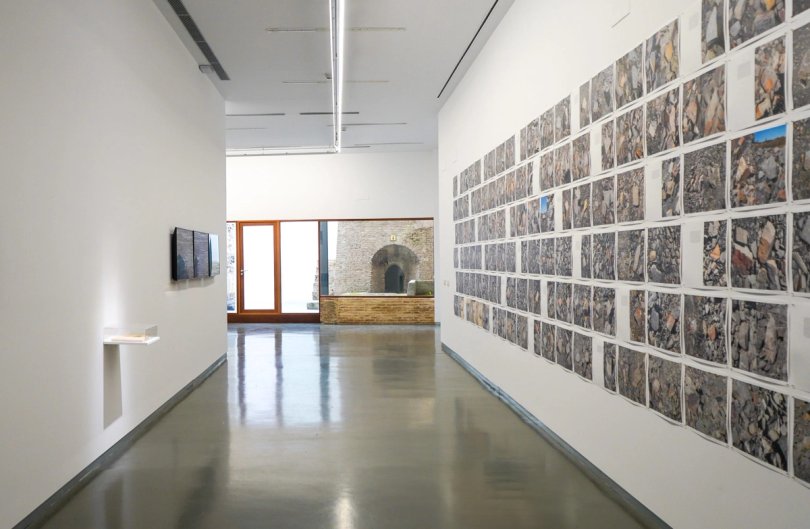
Jorge Yeregui, La escritura de las piedras_Colección Estatal Arte y Clima © MITECO
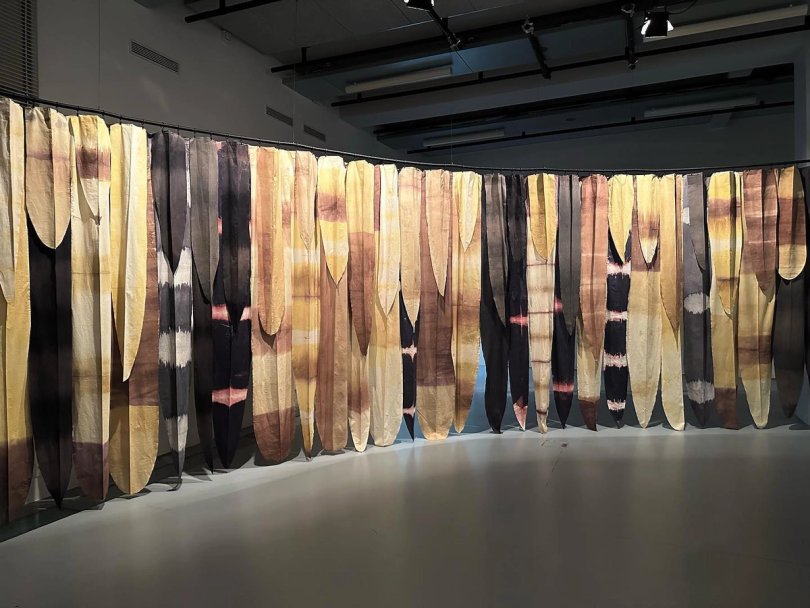
Belen Rodriguez, I danced myself out of the womb, 2023_Colección Estatal Arte y Clima © MITECO
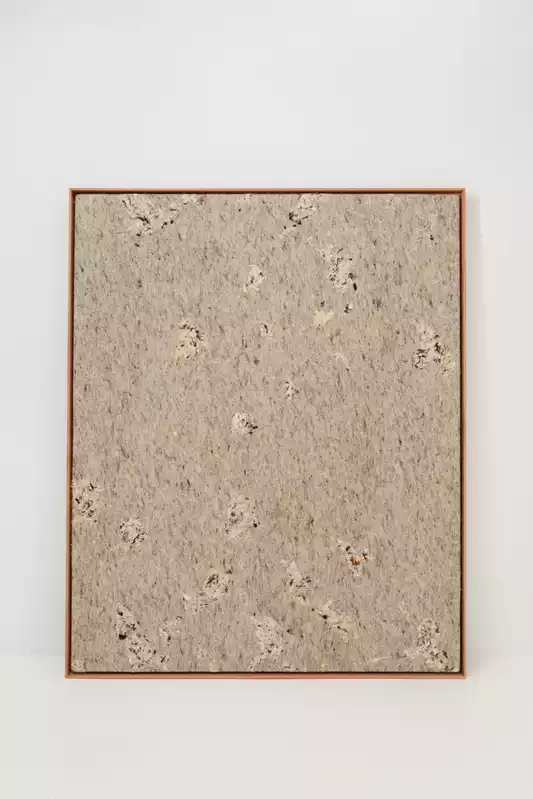
Asunción Molinos, Mil Leches, 2024_Colección Estatal Arte y Clima © MITECO
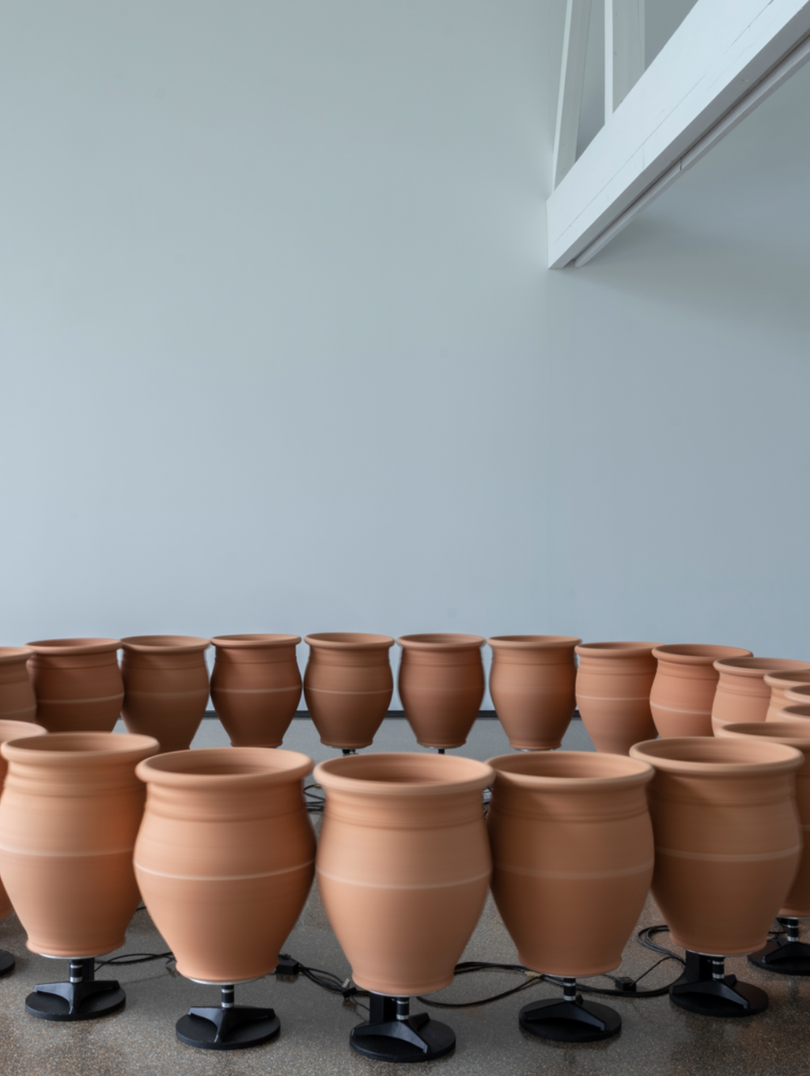
Abelardo Gil Fournier, Hacendera, 2023_Colección Estatal Arte y Clima © MITECO
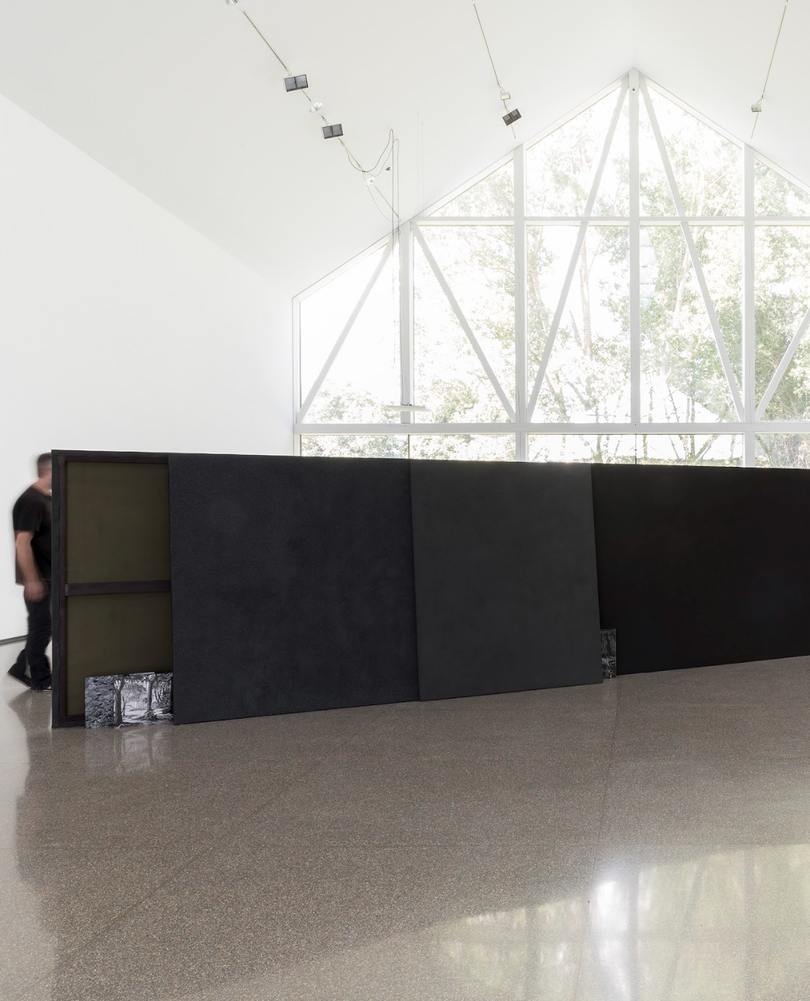
Irene Grau, Sobre A punto de ser nada, 2020 - 2023_Colección Estatal Arte y Clima © MITECO
THE CLIMATE BIENNIAL
The Climate Biennial, a result of the alliance between the Ministry of Culture, the Ministry for Ecological Transition and the Demographic Challenge, the Ministry of Housing and Urban Agenda, the Principality of Asturias, the City of Avilés, and the Atelier itd foundation, is a meeting space that aims to harness the power of culture and artistic experimentation to generate reflections, debates, and actions that can contribute to fair climate transition processes. The project rethinks the traditional biennial art model to adapt it to the current environmental emergency and, through a nomadic model, addresses the challenges of climate change in different regions of Spain and Europe.
Designed as a hybrid and decentralized platform, it aims to connect with a wide range of audiences beyond those specialized in contemporary art. The biennial promotes various areas of creation. It brings together artists, communities, institutions, and organizations from different sectors in a collective effort to:
- Promote sustainable artistic creation: Support new projects that envision desirable futures in the context of the climate emergency and promote environmentally friendly production methods.
- Connect art, science, and public policy: Promote interdisciplinary research applied to the public sector with artistic residencies in state agencies, such as the State Meteorological Agency (AEMET).
- Raise awareness about new territorial models: Connect art and architecture with urban and rural projects aligned with European green policies, while simultaneously addressing issues of global governance.
- Encourage citizen participation: Promote the collectivization and involvement of civil society in climate debate and action through artistic mediation.
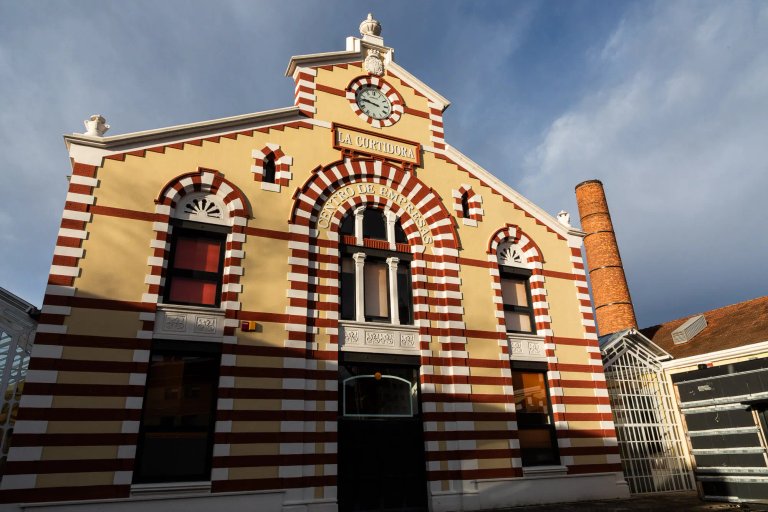
The first edition of the Climate Biennial will take place in the city of Avilés and other locations in Asturias between May and September 2026. It will showcase the works acquired at ARCOmadrid, as well as other newly produced works that support artists who are not part of the commercial circuit or who are in the earlier stages of their careers. Additionally, it will serve as a space for reflection in the pursuit of a more sustainable society, connecting with the experience gained from the MIVAU's architecture biennials, among other activities.
The Climate Biennial of Avilés-Asturias will be a distributed edition that will take place across various spaces in the city. It aims to highlight emblematic buildings from the city's industrial past and present, beyond its art centers, as well as the work carried out by local organizations in rural areas. To achieve this, a design group composed of local organizations is being formed to extend the programming regionally and promote ongoing work in the territory starting in 2025.