
%208.43.49%E2%80%AFp.m.%20(1).png?w=1440&q=85&fit=max&auto=format)
A Commitment to Sustainability
The Climate Biennial: art, industry and territory understands sustainability as an integral, situated and collective process. It is not simply a matter of reducing environmental impacts, but of exploring how a biennial can engage with its territory, activate local connections, generate learning and create lasting value beyond its duration.
The Challenge of Creating a Sustainable Biennial
Biennials and major cultural events today face the challenge of responding to the climate and social emergency without compromising their capacity to foster encounter, creativity and transformation.
A sustainable biennial is not defined solely by what it consumes or measures. It also asks what relationships it activates, which economies it strengthens, what forms of learning it leaves behind, and what transformations it can inspire.
A Biennial as a Laboratory
From its inception, the Climate Biennial has embedded sustainability as a cross-cutting principle. Conceived as a laboratory, it provides a space to test new models of cultural production that respond to today’s climate, social and territorial challenges. This process includes a methodology for evaluation and support designed to assess impacts, develop practical tools, generate transferable knowledge and strengthen institutional capacity for future editions and other cultural contexts.
Methodology and Tools
The first edition serves as a pilot case and a living laboratory for the development of practical tools to support the sustainable design and delivery of biennials. The framework is intended to accompany every stage of the biennial process—before, during and after the event—by embedding sustainability criteria across governance, engagement with the territory, curatorial practice, production and evaluation. The methodological approach combines qualitative and quantitative tools, integrating process analysis, stakeholder mapping and relationship analysis, the monitoring of qualitative and quantitative indicators, impact assessment, and opportunities for reflection and validation with the different stakeholders involved.
Four Lines of Analysis

How decisions are made, the principles that guide the organisation, and the ways in which learning is incorporated into future editions.

How the Biennial engages with Avilés, its communities, institutions, local economies and cultural ecosystems.

How exhibitions, activities and mediation processes are developed through the responsible use of resources, materials, time and collaborative partnerships.

How the process is measured, documented and used as a basis for learning, combining data, narratives, impacts and spaces for reflection.
¿Qué buscamos a través de esta experiencia?

.png?w=768&q=85&fit=max&auto=format)
Priyageetha Dia_LAMENT H.E.A.T_2023_
La evaluación de sostenibilidad combina herramientas cualitativas y cuantitativas: análisis de procesos, mapeo de agentes, seguimiento de indicadores, evaluación de impactos y espacios de validación con los agentes implicados. Más que centrarse únicamente en resultados finales, esta metodología busca facilitar la toma de decisiones, promover la mejora continua y generar capacidades dentro del sector cultural.
%20(1)%20(1)%20(1).jpg?w=768&q=85&fit=max&auto=format)
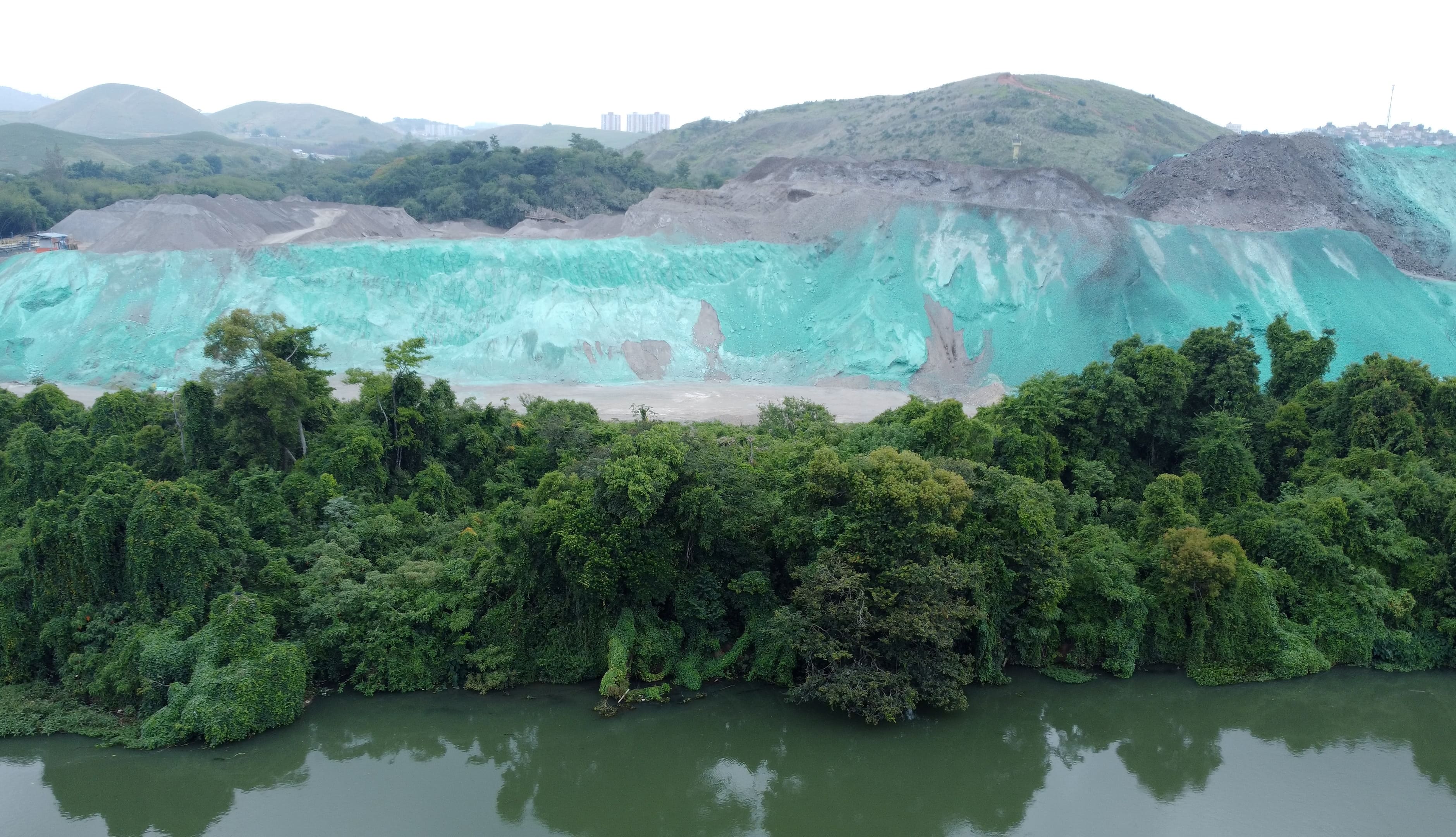
The Labour that Remains_Massimiliano Mollona & Oliver Ressler_2026 (2).jpg
La Bienal Climática entiende la sostenibilidad desde una perspectiva sistémica. Una bienal no produce impactos aislados: forma parte de una red de relaciones culturales, sociales, territoriales, institucionales y ambientales. Por eso, además de consumos, residuos o movilidad, se analizan los cobeneficios: efectos positivos adicionales que una acción sostenible puede generar en otros ámbitos.
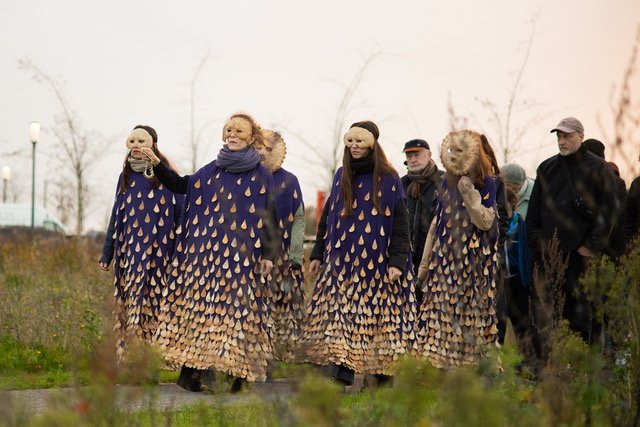
Sara García_molding mourning mouths_performance Tarta Relena_Bruselas 2025_