Visit
Avilés is hosting the first edition of the Climate Biennial: art, industry and territory, an event that places the city at the heart of vital discussions about the present and possible futures. In this context, it invites visitors to explore its cultural enclaves, its heritage and its main attractions, as well as activities and accommodation options to help visitors make the most of their stay in the city.
How to get to Avilés
Travelling to Avilés can also be part of a commitment to a more sustainable transition. For the journey, we suggest:
From Spain
Prioritise trains and public transport wherever possible. Avilés has rail and bus links to various cities, as well as a local network that makes it easy to get around the city on foot.
TRAIN | RENFE:long-distance and commuter rail services to Asturias and Avilés.
COACH | ALSA: the leading bus company offering national and regional routes, as well as direct connections to Asturias Airport.
CAR: If you decide to travel by private car, we encourage you to carpool and make sure the car is full. As well as reducing emissions and making the most of resources, carpooling also gives more people the chance to visit and enjoy the Climate Biennial.
From other countries
Choose direct flights where possible and use public transport for the rest of the journey. Asturias Airport is less than twenty minutes from Avilés and offers connections by bus and shared taxi.
AIRPORT | Asturias Airport: the region’s main international airport, located about twenty minutes from Avilés.
The Climate Biennial is committed to more sustainable transport, promoting ways of travelling that reduce environmental impact and allow people to experience the territory at a different pace and from a different perspective.
.png?w=1440&q=85&fit=max&auto=format)
Where to stay
Avilés and the surrounding area offer a wide range of accommodation options, allowing visitors to explore Asturias in comfort and in an environmentally friendly way. We recommend prioritising options within the city itself, as well as accommodation well connected by public transport, located within easy reach of the Biennial venues, or linked to sustainability and responsible tourism initiatives.
What to do in Avilés
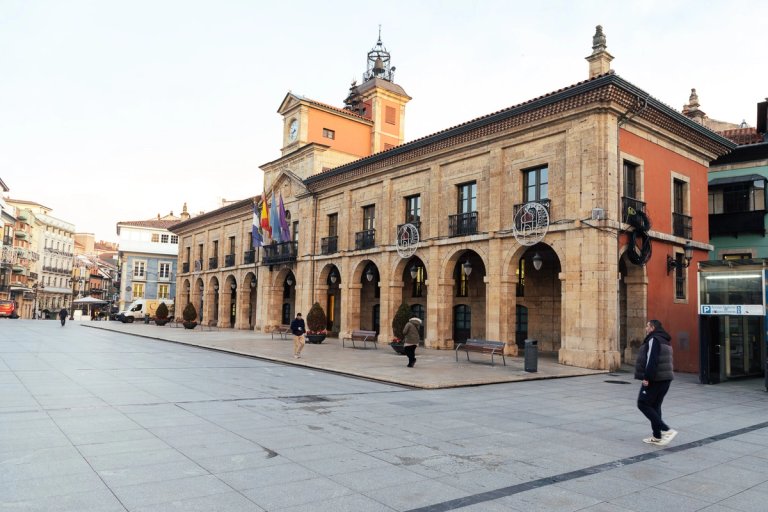
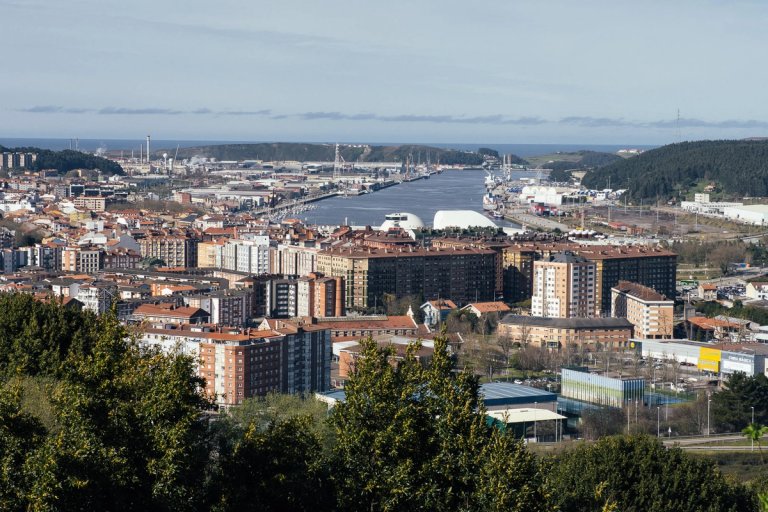
Avilés was one of the most important ports on the Cantabrian coast. Its pedestrianised historic centre invites visitors to explore its cobbled streets, arcades, squares, palaces and monuments, which bear witness to the city’s history and its evolution. There is also the renowned culinary tradition and a vibrant cultural life, which are integral to the experience of living in and understanding the territory.